

Sectoral Distribution of FDI: Where Money Flows
Electronics, petrochemicals, and manufacturing lead Malaysia’s FDI. We break down which sectors attract investment and why regional patterns matter.

Understanding FDI Distribution
Foreign direct investment doesn’t flow equally across all economic sectors. In Malaysia, certain industries attract billions while others remain relatively untouched. This concentration isn’t random — it’s driven by existing infrastructure, workforce skills, government incentives, and global market demand.
The way FDI distributes across sectors tells us something important about a country’s economic strategy. It shows which industries a nation is positioning itself to lead, which regions are developing fastest, and where future growth might happen. Understanding these patterns helps businesses identify opportunities and policymakers shape effective development strategies.

The Big Three: Electronics, Petrochemicals, Manufacturing
Electronics manufacturing dominates Malaysia’s FDI landscape. Since the 1980s, multinational companies like Intel, Penang Semiconductor, and numerous component manufacturers have built production facilities across the country. These companies invest heavily because Malaysia offers skilled technical labor, established supply chains, and strategic positioning for Asian markets.
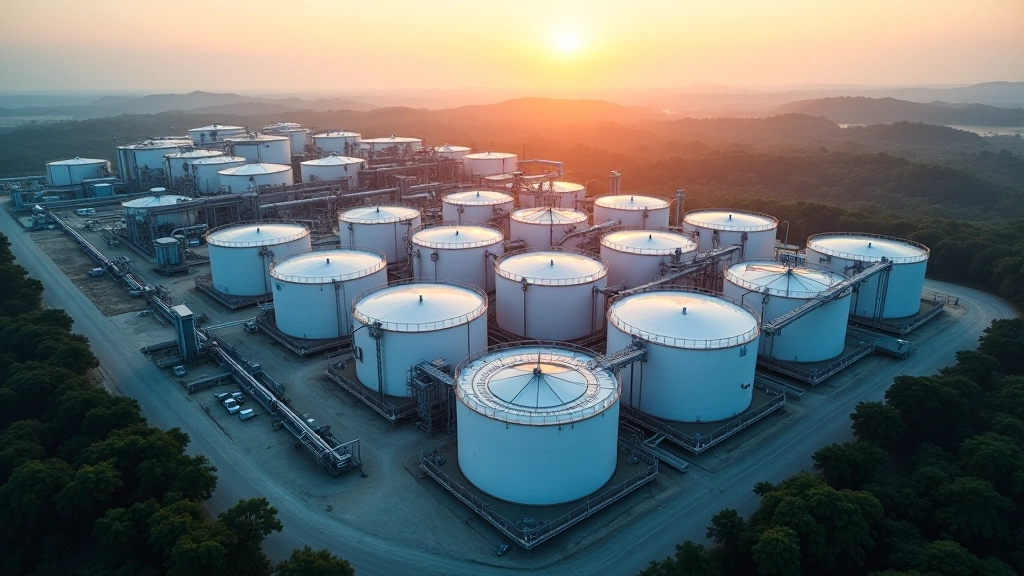
Petrochemicals follow closely. Refineries and chemical plants cluster around the Strait of Malacca and industrial zones in Johor. The sector’s capital intensity means individual projects can exceed $1 billion. What’s important here is that petrochemicals create spillover effects — they develop local suppliers and attract downstream processing industries.
General manufacturing rounds out the top three. Automotive parts, machinery, and industrial equipment production benefit from Malaysia’s central position in Southeast Asia. Companies like automotive suppliers use Malaysia as a regional hub, serving markets across ASEAN. The combination of lower costs than Singapore, better infrastructure than Vietnam, and proximity to major ports makes this sector incredibly attractive.

Emerging Sectors and Niche Opportunities
Beyond the big three, other sectors are growing. Electrical equipment manufacturing has seen steady FDI growth, particularly in power generation and distribution equipment. Medical devices represent a newer opportunity — companies appreciate Malaysia’s pharmaceutical manufacturing expertise and lower costs compared to developed markets.
Services are expanding too. Financial services, tourism, and creative industries are attracting investment, though not at the scale of manufacturing. What’s shifting now is digital economy investment. Software development centers, data centers, and digital services are becoming increasingly important to Malaysia’s FDI profile. The pandemic accelerated this trend considerably.
Real estate and hospitality represent substantial FDI, though often overlooked. Luxury hotels, shopping centers, and residential developments in Kuala Lumpur and Penang attract significant foreign capital. These investments don’t create manufacturing jobs like factories do, but they generate service employment and tax revenue.
Regional Concentration and Geographic Patterns
FDI doesn’t distribute evenly across Malaysia’s geography. Penang dominates electronics manufacturing, housing one of the world’s largest semiconductor clusters. Johor concentrates petrochemicals and heavy industry. Kuala Lumpur attracts financial and service sector investment. Sabah and Sarawak, despite natural resources, receive less manufacturing FDI.
This concentration creates regional inequality, which Malaysia’s government actively tries to address through special economic zones. The Iskandar Malaysia development zone in Johor, the Northern Corridor Economic Region, and the East Coast Economic Region all aim to redirect FDI away from traditional centers. Success has been mixed — infrastructure quality and established supply chains remain powerful magnets.
The key insight: sectors cluster where previous investment created competitive advantages. Once a region develops expertise, attracts suppliers, and builds infrastructure, it becomes self-reinforcing. New investors look at where companies like them already operate. That’s why Penang remains the semiconductor hub — companies know they’ll find skilled workers, equipment suppliers, and industry knowledge there.

Comparing Sector Characteristics
Electronics Manufacturing
Capital Intensity: High
Employment: Medium to high
Skill Requirements: High — technical workers, engineers
Supply Chain: Complex, integrated regional networks
Petrochemicals
Capital Intensity: Very high
Employment: Lower per dollar invested
Skill Requirements: High — specialized technical expertise
Supply Chain: Feedstock-dependent, port-reliant
General Manufacturing
Capital Intensity: Medium
Employment: High
Skill Requirements: Medium — mix of skilled and semi-skilled
Supply Chain: Diverse, flexible arrangements
What Sectoral Patterns Tell Us About Malaysia’s Future
The distribution of FDI across sectors reveals Malaysia’s position in global manufacturing networks. We’re not competing on price with Bangladesh or Vietnam anymore — instead, Malaysia positions itself as a technology and quality hub. That’s why electronics and petrochemicals dominate. Both require precision, skilled workers, and reliable infrastructure.
The emerging shift toward services and digital economy investment shows Malaysia recognizing that manufacturing alone won’t sustain growth. Digital services, financial technology, and creative industries are less vulnerable to automation and wage competition. The government’s push for regional development through special economic zones reflects this too — they’re trying to create new growth poles before existing ones become saturated.
Understanding sectoral FDI distribution matters because it shows you where economic opportunity concentrates. If you’re researching Malaysian business opportunities, these patterns explain why certain regions thrive and which sectors offer the most stability. For policymakers, it highlights both successes (Penang’s semiconductor dominance) and challenges (regional inequality, over-reliance on manufacturing).
Want to explore how sectors interact with technology transfer and productivity? Check out our guide on how foreign companies drive local capability development.
Read: Technology Transfer and Productivity ImpactEducational Context
This article provides educational information about FDI sectoral distribution in Malaysia. It’s intended to help you understand economic patterns and investment trends. The information reflects general patterns and publicly available data. Specific investment decisions should be based on current market research, professional consultation with industry experts, and careful analysis of your particular circumstances. Economic conditions change rapidly, and sectoral preferences can shift based on global markets, policy changes, and technological developments.
Related Articles

